
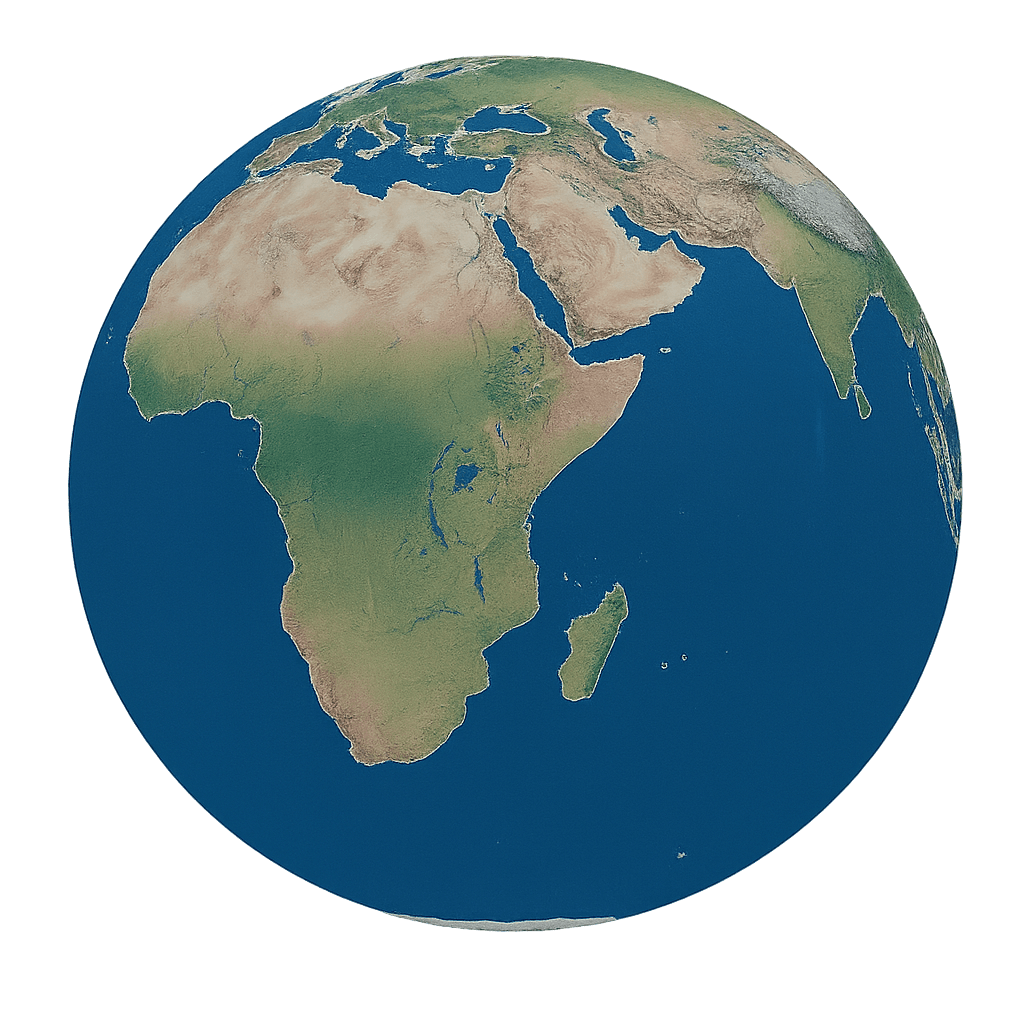
Iran War: Tehran says a ship sank after striking a mine in the Strait of Hormuz, as attacks on shipping intensify. Washington is reportedly weighing renewed strikes on Iranian nuclear and energy sites, potentially using its largest non-nuclear bomb, while President Donald Trump says the war will end “very soon.” Regional Spillover: Iran-backed Houthis have struck Saudi oil infrastructure, raising pressure on Riyadh and threatening energy supplies. Gaza: Israel says commercial goods will no longer enter the territory, putting food and shelter supplies at further risk as winter approaches. Iran-linked Plot: A German court sentenced two men for plotting attacks on Jewish and pro-Israel figures, finding the main defendant acted under Iran’s direction. Regional Diplomacy: Iranian and Turkish representatives walked out during Israeli President Isaac Herzog’s address at a summit in Azerbaijan. Energy Outlook: OPEC lifted its 2027 oil-demand growth forecast to 2.6 million barrels a day, citing stronger consumption and the need to rebuild inventories.
AGP Executive Report
Your go-to archive of top headlines, summarized for quick and easy reading.
Note: AI summary from news headlines; neutral sources weighted more to help reduce bias in the result. Feedback is welcome. Please let us know if you have any comments or suggestions about the AGP Executive Report.
Iran War: Trump said a leak compromised the timing of B-2 strikes on Iran and that leakers “should be shot.” Tehran vowed to resist, while Iran said a cargo ship sank after hitting a mine in the Strait of Hormuz. Washington says it destroyed an Iran-linked dhow accused of monitoring U.S. warships. Regional Security: Iran-backed Houthis reportedly struck Aramco offices in Dhahran. A new report says the group is seeking to build longer-range missiles using Chinese-sourced parts, potentially putting Saudi Arabia and Israel within reach. Gaza: Israel has yet to allow contractors and equipment into Gaza to build the first international-force outpost authorized by Trump’s Board of Peace. Energy Links: Turkey says it is discussing a major electricity link with Saudi Arabia, Jordan and Syria.
Strait of Hormuz: Iran’s Revolutionary Guards say a mine sank a container ship carrying more than 2,500 containers; the vessel’s identity and crew’s fate remain unclear. Reports of other ship attacks and an Iranian drone strike that injured three fishermen add to risks around the vital waterway. Iran Tensions: Prime Minister Benjamin Netanyahu says a preemptive strike on Iran before Israel’s October 27 election would be “inconvenient,” while warning Tehran against attacks. The comments come amid reports of US-Israeli discussions about renewed strikes and Iran reinforcing nuclear sites. Oil Pressure: Iran’s oil production fell below 2 million barrels a day in September, and Vortexa says seaborne exports have dropped to zero under the US blockade, as Gulf shipping disruptions threaten energy flows. Jerusalem Diplomacy: Colombia opened an embassy in Jerusalem and restored its free-trade agreement with Israel, reversing its predecessor’s break in ties. Turkey Media: Police raided opposition broadcaster Halk TV, halted live broadcasts and appointed a government trustee, prompting fresh concerns about press freedom. Afghanistan: UNICEF says more than 2.6 million girls have been barred from education since 2021.
Hormuz and Oil: Iran is changing its tactics against ships in the Strait of Hormuz, Reuters reported, citing Iranian officials who said the campaign aims to keep oil prices high and influence U.S. midterm elections. Vortexa says Iranian crude exports fell to zero by mid-September, while CENTCOM says more than 19 million barrels moved through the strait in one day with U.S. and regional support. Iran-UK Tensions: MI5 chief Ken McCallum says Iran is seeking to target military sites in Britain and that the suspected plot at RAF Fairford was “not unique.” Prime Minister Andy Burnham says the incident was almost certainly directed by Iran’s Revolutionary Guard; Tehran denies involvement and has demanded evidence. Israel-Egypt: Benjamin Netanyahu acknowledged that Egypt’s intelligence chief visited Israel 11 days before Hamas’s October 7, 2023 attack, but said he did not meet him and did not know whom he saw. Regional Economy: The IMF now forecasts a 0.3% contraction in West and Central Asia this year, blaming war-related disruption to oil flows and shipping. Lebanon-Israel: Military talks are scheduled for October 20 and 22, though a Lebanese source expects little progress amid disputes over border verification. West Bank: The UN urged Israel to protect Palestinian olive farmers from settler violence during the harvest.

Iran-UK Tensions: Britain’s prime minister said Iran’s Revolutionary Guard was “almost certainly” behind a suspected plot near RAF Fairford; Tehran denies involvement. MI5 warned the incident was not unique and said Iran is increasingly targeting military sites. More than two dozen countries condemned the alleged activity. Gulf Security: Iran says the latest US response to its conditions for reopening the Strait of Hormuz is insufficient, while talks continue through intermediaries. Tehran has also warned that regional data centres and internet cables could be targets if fighting resumes. Egypt urged an end to attacks on Saudi Arabia and called for US-Iran negotiations. Israel and Lebanon: A student was killed and more than 20 people injured when suspected unexploded ordnance detonated during a school trip near the Lebanese border. Palestinian Affairs: Arab League representatives met to discuss international protection for Palestinians and the status of Jerusalem. The US has imposed sanctions on the International Criminal Court over investigations involving Washington and Israel. Oil Markets: OPEC cut its 2026 demand-growth forecast again, but raised its outlook for 2027 as countries seek to replenish stocks depleted by the Iran war.
UK-Iran Tensions: Britain’s Prime Minister Andy Burnham said Iran’s Revolutionary Guard almost certainly directed a suspected plot at RAF Fairford, and London sanctioned two Iranian nationals. Tehran denied involvement and demanded proof; 29 countries backed Britain’s attribution. Hormuz Standoff: Iran called Washington’s latest proposal to reopen the Strait of Hormuz inadequate, saying the waterway will remain closed until its conditions are met. A US blockade and stalled talks keep pressure on vital shipping routes. Saudi-Yemen Escalation: After Houthi attacks disrupted Saudi air travel, Iran offered to help mediate between Riyadh and the Houthis, while several countries condemned the strikes. Israel-Lebanon: A suspected leftover Hezbollah cluster bomb killed a 15-year-old and wounded 24 people on a school hike near Israel’s northern border, prompting a pause in local school trips. Palestinians: Israeli forces moved Gaza’s Yellow Line markers deeper into Shuja’iyya, forcing displaced families to flee again; demolitions in the Negev have also displaced hundreds. Iraq: Iran launched a drone attack on a camp housing Iranian Kurdish opposition members and their families in Iraq’s Kurdistan Region; casualties were not immediately known.
Northern Israel: An unexploded-ordnance blast during a school hike near the Lebanon border killed one person and injured about 19, including students and teachers. Iran-US Standoff: Tehran says Washington’s latest response falls short of its conditions for reopening the Strait of Hormuz, while indirect messages continue through Pakistan and Qatar; US forces disabled a cargo ship accused of breaching the blockade. Saudi-Yemen Escalation: After deadly Houthi strikes on Saudi targets, Riyadh vowed a firm response and Iran offered to help broker talks. Palestinian Displacement: Israeli authorities demolished about 80 homes in the Negev village of Al-Dhahiya, displacing around 400 people. Turkey-PKK Peace Process: Kurdish militants reportedly withdrew from four camps in northern Iraq, a step toward ending decades of conflict with Turkey.
Iran War and Hormuz: The US says it has turned back 135 ships and disabled four vessels enforcing its blockade of Iranian ports, including a cargo ship struck in the Gulf of Oman. Tehran says Washington’s response to its conditions for reopening the Strait of Hormuz is inadequate and that it has stopped responding. Saudi-Yemen Escalation: Houthi attacks have hit Saudi airports, with a Riyadh terminal strike killing 12 and injuring about 300, according to Saudi authorities; damage was also reported at Dammam’s airport. Iran’s foreign minister told his Saudi counterpart Tehran is ready to help start dialogue with Yemen. Israel’s Election: A new poll puts Gadi Eisenkot ahead of Benjamin Netanyahu as preferred prime minister, 43% to 38%, but neither bloc is projected to win a Knesset majority. Pakistan-Afghanistan Border: Pakistan’s military says it killed 12 people during a foiled infiltration attempt from Afghanistan; one Pakistani soldier was killed. Turkey: A bus-truck crash in western Turkey killed 11 people and injured 27.
Iran War: US forces disabled a Panama-flagged cargo ship accused of breaching the Iran blockade, while a tanker caught fire in the Strait of Hormuz after an unknown projectile strike; the cause remains unconfirmed. The incidents deepen risks to shipping through the vital waterway. Saudi-Yemen: A Houthi attack on Riyadh airport killed 12 and injured more than 300, according to Saudi officials. Albania’s prime minister said Iran must answer for backing the rebels, while the Arab League condemned the attack. Israel-Palestine: Israeli forces said they struck Hamas weapons depots and rocket sites in Gaza. Palestinian President Mahmoud Abbas postponed legislative elections to September 2027, blaming Israeli restrictions, which Israel disputes. Iran’s Regional Tensions: Former foreign minister Mohammad Javad Zarif’s call to prioritize diplomacy and business over security-led policy has drawn hardline criticism. Iran and Oman, meanwhile, reaffirmed their commitment to regional peace. Afghanistan: A UN report says recruitment of children by Taliban forces rose 81% from 2023 to 2025. Turkey: A bus-truck crash in western Turkey killed 11 people and injured 27.
Iran War: The U.S. military says it disabled a Panama-flagged cargo ship in the Gulf of Oman after it ignored warnings and tried to breach the blockade on Iranian ports. A tanker also caught fire in the Strait of Hormuz; Iran’s Revolutionary Guard says it hit mines while using an unauthorized route, while maritime authorities report a projectile strike. Regional Escalation: Houthi attacks on Riyadh’s airport have killed at least 12 people and wounded dozens, according to reports. President Donald Trump says he is weighing U.S. action against the group. U.S. Casualties: The Pentagon raised the official number of U.S. service members who have died in operations linked to the Iran war to 21, and reported 865 wounded. Israel and Palestine: The UN says Israel held 49 Syrians and made 280 armed incursions into southern Syria in September. Palestinian Authority President Mahmoud Abbas has postponed legislative elections until 2027.
Iran War: Tehran says its Revolutionary Guard struck a gas carrier in the Strait of Hormuz, where attacks on shipping are mounting. Western officials say Iran retains missile and drone production capacity and can replenish its arsenal, despite US claims that its military has been crippled. Diplomacy: The Kremlin says Vladimir Putin relayed Iran’s proposed terms for ending the conflict to Donald Trump. A separate report says Washington recently urged Israel to strike Iran, but has since backed away. Gaza: Israeli attacks killed at least seven Palestinians on Saturday, including an eight-year-old girl, according to medical sources. Gaza’s health ministry says 1,481 Palestinians have been killed since the ceasefire began a year ago. Palestinian Politics: Mahmoud Abbas postponed legislative elections until September 2027, citing Israeli obstacles to holding a free and inclusive vote. Iran Rights: HRANA documented 2,003 executions in Iran over the past year, saying 95% were not publicly announced.
Hormuz Tensions: Iran’s Revolutionary Guard claimed it struck the LPG carrier NV Sunshine near the Strait of Hormuz, warning ships using routes it calls unauthorized. The US says its blockade has diverted 133 vessels, while Tehran says it is reviewing a proposal to reopen the waterway. US-Iran Standoff: Trump again hinted at possible action against Iran, a day after ruling out strikes before November’s midterms. The Pentagon is reportedly preparing strike options as three US carrier groups are expected in the region. Iran’s President Masoud Pezeshkian told Russia’s Vladimir Putin that Tehran would remain at the negotiating table; Pakistan says it is working to narrow differences. Yemen and Saudi Arabia: Saudi Arabia’s coalition says it destroyed 136 Houthi military targets after deadly Houthi attacks on Saudi airports. Gaza: Islamic Relief says Israeli attacks have killed at least 1,454 Palestinians and injured more than 5,000 since the ceasefire was declared, citing its year-long tally.
Iran Diplomacy: President Trump says the US will not strike Iran before the November 3 midterms, despite Pentagon plans for possible renewed attacks. Tehran is reviewing US feedback on a seven-day proposal to reopen the Strait of Hormuz; President Masoud Pezeshkian says talks must proceed without threats. Gulf Security: Explosions were reported near tankers in the Strait, with reports suggesting possible mine strikes but no confirmed damage or casualties. Houthi attacks on Riyadh airport killed three people, and the Arab League condemned the strikes. Israel and International Justice: South African jurist Navi Pillay won the Nobel Peace Prize for her work on international law. Israel condemned the award; Pillay chaired a UN inquiry that accused Israel of genocide in Gaza, allegations Israel rejects. UK-Iran Case: Two men accused of conducting surveillance on Jewish and Israeli sites in London for Iran pleaded not guilty. They remain in custody, with trial set for 2027.
US-Iran Talks: Trump says the US will not attack Iran before the Nov. 3 midterms, citing productive discussions, as the Pentagon reportedly prepares options for renewed strikes. Tehran is reviewing Washington’s response to its seven-day plan to reopen the Strait of Hormuz and expects to reply within days. Hormuz Tensions: Iranian media reported explosions in the strait, while tanker attacks and threats to restrict shipping keep oil markets volatile. Diplomacy and Pressure: Pezeshkian told Putin that Tehran and Washington had exchanged proposals; Putin pledged help to end the war. Washington, meanwhile, imposed fresh sanctions on Iran’s oil-shipping network. Regional Fallout: Israeli strikes killed Palestinians in Gaza despite the ceasefire, while the Arab League condemned Houthi missile attacks on Saudi airports.
Iran-US Tensions: Washington has asked CENTCOM to prepare for possible renewed large-scale strikes, while Tehran says it will respond within days to a US peace proposal. Oil climbed above $105 a barrel amid fears of escalation and Iranian threats to block shipping routes through the Strait of Hormuz. War’s Toll: A Congressional Research Service report says 81 US aircraft were lost or damaged in the Iran war, including 45 Reaper drones, with potential replacement costs reaching $3.3 billion. Turkey and Saudi Arabia: Ankara is assessing defensive support for Saudi Arabia under their pact, but Foreign Minister Hakan Fidan ruled out sending Turkish troops to attack Yemen’s Houthis. Turkey-PKK Peace Process: The PKK says it has withdrawn all armed forces from Turkey and nearby border positions, urging Ankara to take further steps toward peace. Israel-UK Relations: Israel has stripped Britain’s East Jerusalem consulate of its status and ordered 20 diplomats to leave; a smaller UK team will remain at the site under the name “UK Mission, Jerusalem.” Lebanon Border: UNIFIL says small-arms fire hit a post near Kfarshouba, with no casualties, as Lebanon’s parliament speaker called for an alternative peacekeeping force before the mission’s mandate ends.
US-Iran Tensions: The Pentagon is reportedly preparing strike options ahead of November’s midterms, though no decision has been made. Trump says the war will end “very quickly”; Vice President JD Vance demands major cuts to Iran’s uranium enrichment, while Tehran says Washington must meet its conditions before nuclear talks can begin. Qatar says mediation contacts are continuing. Gulf Shipping: Tanker attacks and Iran’s threats to close unauthorized Hormuz routes are rattling oil markets. Houthi attacks on Saudi airports, which killed three people, show the conflict’s widening regional impact. Israel and Gaza: Israel marked three years since the October 7 Hamas attack with memorials as Gaza remains devastated and Israeli strikes continue; officials say five people were killed in the latest strikes. Lebanon: Iran reportedly sent Hezbollah $200 million to help displaced families, a claim disputed by Washington.
Gaza and October 7: Israel marked three years since the Hamas-led attack, which killed about 1,200 people and saw 251 taken hostage; all hostages have now left Gaza, alive or dead. Israeli strikes continued, killing at least three Palestinians on the anniversary, while Gaza’s water and power systems remain severely damaged. Iran War: Washington says oil traffic through the Strait of Hormuz is nearing prewar levels, but Tehran has vowed not to give up uranium enrichment, a key US demand for ending the conflict. Qatar says mediation efforts continue as the war disrupts energy supplies. Regional Tensions: Iran-aligned Houthi attacks are testing a new Saudi-Turkey-Pakistan defense pact, raising fears that the fighting could widen. West Bank: Israeli forces destroyed Palestinian memorials and posters in raids across the occupied territory, including in Jenin and Nablus.
US-Iran Negotiations: Qatar says Washington and Tehran are still in talks to end the Middle East war, with message exchanges continuing despite deadlock. Nuclear Demands: Reuters reports US VP JD Vance insists Iran must make a “meaningful” cut in enrichment (not just promises) to end the conflict, while Washington is unsure who decides in Tehran. Regional Mediation: UN chief Guterres praises Pakistan as a “trusted mediator” between the US and Iran, citing Islamabad’s role in past ceasefire and negotiation steps. War of Words in Washington: Trump again frames ending the Iran war as “nice way or not-so-nice way,” while his Nebraska remarks that Iran could “take out” Los Angeles and San Diego spark backlash from California leaders and international criticism. Nuclear Site Watch: Satellite imagery shows renewed activity at Iran’s Minzadehei nuclear-linked site after an Israeli strike. Israel-Palestine Politics: Israel threatens a full-scale offensive against the Palestinian Authority if Palestinian forces target settlers, while Israel blocks Palestinian election monitors from Gaza and East Jerusalem. Energy Pressure: UK diesel hits a record high as the Iran war disrupts global supply, and oil-market analysts warn the world is running out of cushion. Sports & Tensions: UEFA opens an investigation into alleged misconduct during an Ireland-Israel match amid heightened political tensions around Oct. 7.
US-Iran Tensions: Iran warned that any new US or Israeli attack would trigger a “decisive response,” saying it has already identified retaliation targets and boosted weapons production. Diplomacy Effort: UN chief Antonio Guterres praised Pakistan as a “trusted” mediator in US-Iran talks, urging an end to the war and restoration of navigation rights; Qatar also said indirect talks are continuing. Maritime Pressure: The US Navy rerouted 130 ships linked to Iran amid its blockade enforcement, with CENTCOM warning mariners near the Strait of Hormuz. Israel-Palestinian Escalation: Israel put forces on high alert for the Oct 7 anniversary, with Netanyahu warning Hamas may act ahead of elections; Defense Minister Katz said Israel is preparing for a possible PA “turning their guns” scenario. Gaza Damage: A UN-linked satellite assessment cited by PCBS says over 80% of Gaza buildings were damaged since Oct 7, 2023. Regional Infrastructure: Turkey plans to expand Iraq’s Development Road into a multi-fuel energy corridor. Sports Fallout: UEFA opened an investigation into alleged misconduct around the Ireland-Israel Nations League match after a tunnel spitting allegation. Domestic US Backlash: Trump’s comments suggesting Iran could “take out” Los Angeles and San Diego drew sharp condemnation from California officials.
Gaza Housing Damage: The Palestinian Central Bureau of Statistics says over 80% of Gaza buildings were damaged since Oct. 7, 2023, with UN Satellite Centre estimates of about 201,290 damaged structures by June 16, 2026. Israel-Hamas Pursuit: Israel’s Defence Minister orders the military to hunt down and kill remaining Oct. 7 attackers, putting their number at about 2,000, as Netanyahu vows to end Hamas rule in Gaza. Iran-US Standoff: Iran’s president and foreign minister call US talks “meaningless,” while US officials warn Iran that combat could restart if no deal is reached. US Sanctions Push: Washington warns foreign financial institutions they could face sanctions without notice for doing business with Iran, alongside new sector-focused measures. RAF Fairford Bombers: The US withdraws B-1 bombers from RAF Fairford after a suspected Iran-linked plot; Trump says there were “some threats” and redeployment was “out of an abundance of caution.” Saudi Security Pact: Under the Mecca defence pact, Pakistan and Turkey agree to rapidly deploy forces and capabilities to Saudi Arabia amid Houthi-linked attacks. Yemen Front: A Yemeni government offensive to seize Mokha is expected to succeed short-term, with forces likely to pause to consolidate. Afghanistan Rights: The ICC unseals arrest warrants for Taliban leaders over gender persecution, while UN rights bodies press for accountability.
Sign up for:
Middle East News Center
The daily local news briefing you can trust. Every day. Subscribe now.
Check Your Email!
We sent a one-time activation link to: .
Confirm it's you by clicking the email link.
If the email is not in your inbox, check spam or try again.
Welcome back!
is already signed up. Check your inbox for updates.